November 21, 2026
In recent years, the residential construction and exterior remodeling sectors have undergone a significant transformation toward resource conservation, environmental sustainability, and optimized thermal efficiency. This modernization is especially prominent in modern roof installations, where innovative materials, durable synthetic underlayments, and climate-responsive engineering techniques are replacing outdated building practices. As global awareness of climate change and fluctuating operational costs intensifies, residential homeowners and property managers are recognizing the measurable advantages of investing in a high-performance building envelope. Upgrading an exterior structure significantly curtails unwanted thermal transfer, diminishes reliance on mechanical heating and air conditioning, and lowers seasonal utility bills across every season. Because durable overhead structures protect residential properties for decades, prioritizing efficiency during comprehensive roof replacement and installation projects provides a direct pathway toward lowering household carbon footprints, safeguarding interior comfort, and supporting sustainable home design over the long term.
The modern architectural perspective views an overhead barrier not merely as an umbrella against rain and snow, but as an active, integrated thermal shield that dictates how a home manages solar radiation and ambient temperature shifts. When older structures lose massive amounts of conditioned air through degraded substrates, worn coverings, and unsealed boundaries, indoor temperatures swing erratically, forcing mechanical systems to run continuously. Investing in contemporary, code-compliant roof installations corrects these systemic deficiencies by establishing a continuous, airtight barrier that stabilizes interior microclimates. Modern installations combine carefully calibrated layers of protective membranes, precision structural framing, and performance-rated materials to create an exterior system that resists solar degradation, deflects high exterior temperatures, and maintains structural equilibrium year after year.
Selecting High-Performance Roofing Materials and Systems
Reflective roof coating services are engineered to minimize radiant thermal absorption by reflecting broad-spectrum sunlight away from residential structures. Preventing intense solar heat from penetrating an attic space substantially reduces peak cooling demands during the warmest hours of the day. By deflecting intense ultraviolet radiation, reflective applications help lower surface temperatures by noticeable margins, which simultaneously reduces localized heat retention around the home. Furthermore, shielding underlying materials from persistent ultraviolet exposure prevents premature degradation, drying, and cracking. Integrating professional roof coating services during energy-conscious roof installations significantly extends structural longevity while delivering noticeable utility savings throughout consecutive cooling seasons, ensuring that the property remains protected against intense solar degradation.
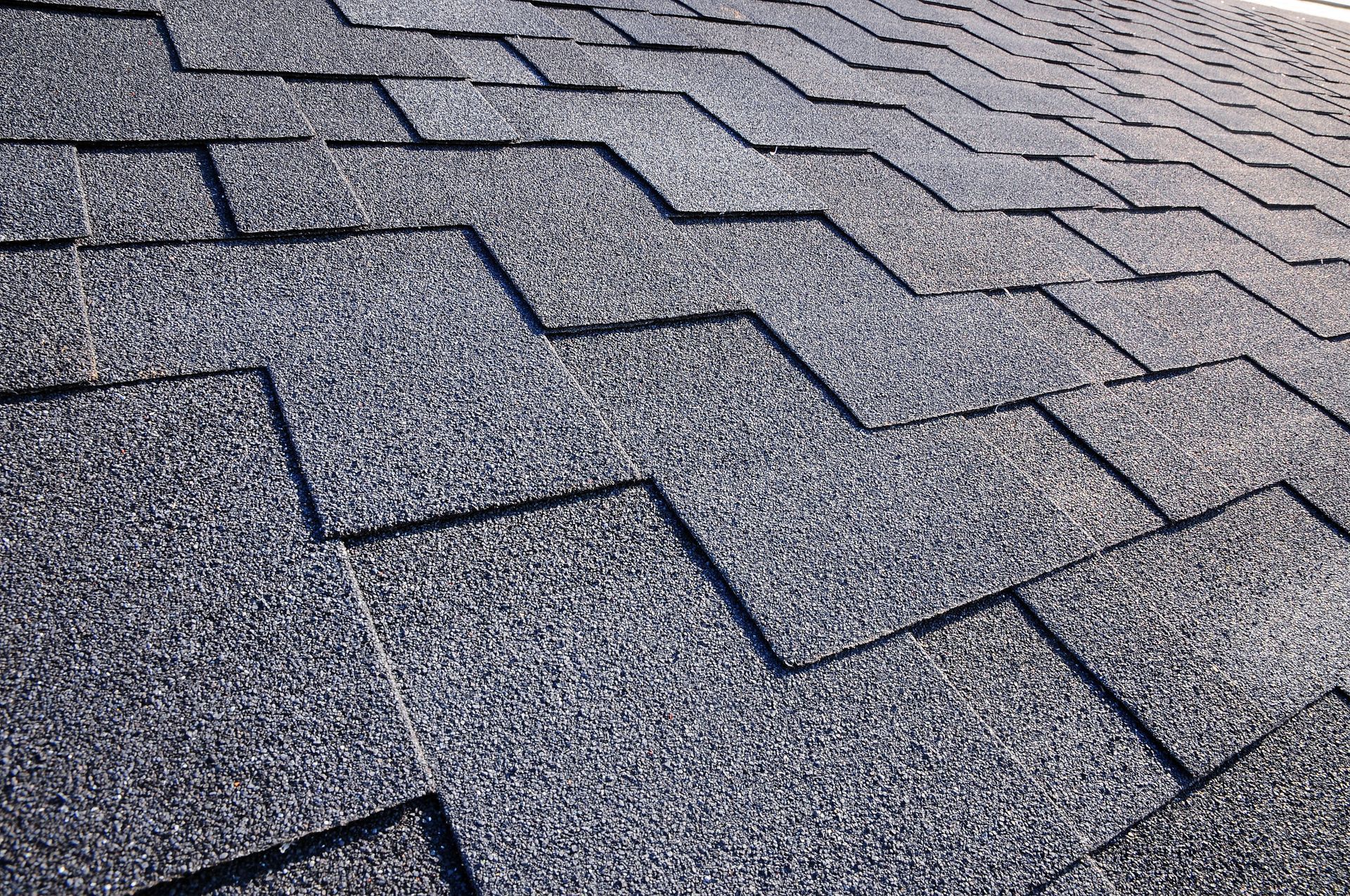
Modern residential roofing products provide naturally elevated solar reflectance and thermal emittance across diverse architectural styles. Homeowners achieve this performance primarily through standing-seam metal panels or specialized asphalt shingle installation. Metal panels naturally reflect solar rays rather than absorbing them, allowing absorbed warmth to dissipate rapidly once the sun sets. Modern architectural asphalt shingles are engineered with advanced reflective granules that deflect infrared radiation back into the atmosphere to preserve cooler indoor temperatures. Unlike conventional heat-absorbing materials, these upgraded roof installations prevent excess thermal energy from migrating downward into attic spaces, yielding notable cooling energy savings during peak summer months and preventing heat from radiating into living areas below.
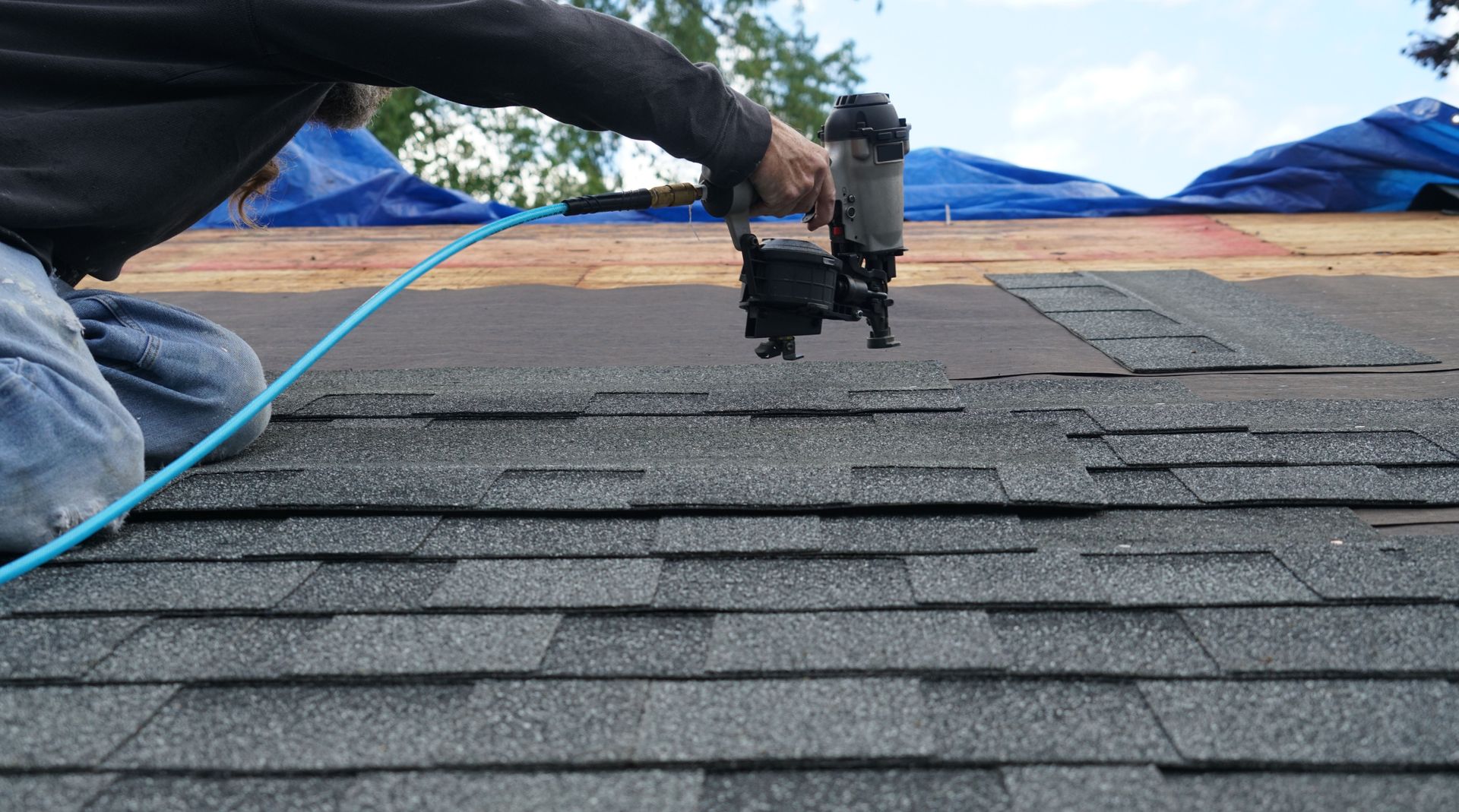
A complete roof tear-off and roof deck replacement provide an essential baseline for whole-home thermal performance. Stripping aged shingles down to the sheathing allows technicians to perform a comprehensive roof inspection, address underlying wood rot, and execute precise roof deck installation or repair. Installing solid, continuous decking alongside advanced roof waterproofing underlayments stops conductive heat transfer and eliminates hidden thermal leaks between the conditioned living space and external elements. By minimizing air migration, full-deck roof installations reduce continuous heating and cooling cycles, optimizing day-to-day occupant comfort, stopping drafts, and generating long-term utility reductions across decades of ownership.
Designing Climate-Responsive Roofing Architecture
Balanced thermal regulation cannot function properly without continuous attic airflow, which is achieved through professional roof ventilation services and soffit installation. Soffit installation and soffit repair ensure that fresh, cooler outside air enters the lowest points of the roofline, while dedicated exhaust roof ventilation systems allow trapped, super-heated attic air and moisture to vent freely out of the top of the structure. When contractors complete comprehensive roof installations, pairing intake and exhaust vents prevents heat from radiating into living spaces below, significantly reducing summer air conditioning loads. In cold seasons, steady ventilation stops moisture buildup and prevents heat pockets, effectively mitigating the temperature fluctuations that cause winter ice dams and dangerous structural condensation.
Attic spaces that lack proper airflow can easily reach temperatures exceeding one hundred and forty degrees during the summer months, turning the upper levels of a home into a massive thermal radiator that overwhelms HVAC equipment. By facilitating natural convection through intake soffit installation and ridge vents, balanced roof ventilation services purge this stagnant thermal pocket, lowering upper-floor temperatures and reducing the run-time of central cooling systems. In winter, this continuous air circulation carries indoor humidity safely away from structural rafters, preventing wood decay and ensuring that fiberglass or cellulose attic insulation stays dry and effective throughout freezing temperatures.
Complementary Exterior Upgrades That Maximize Energy Efficiency
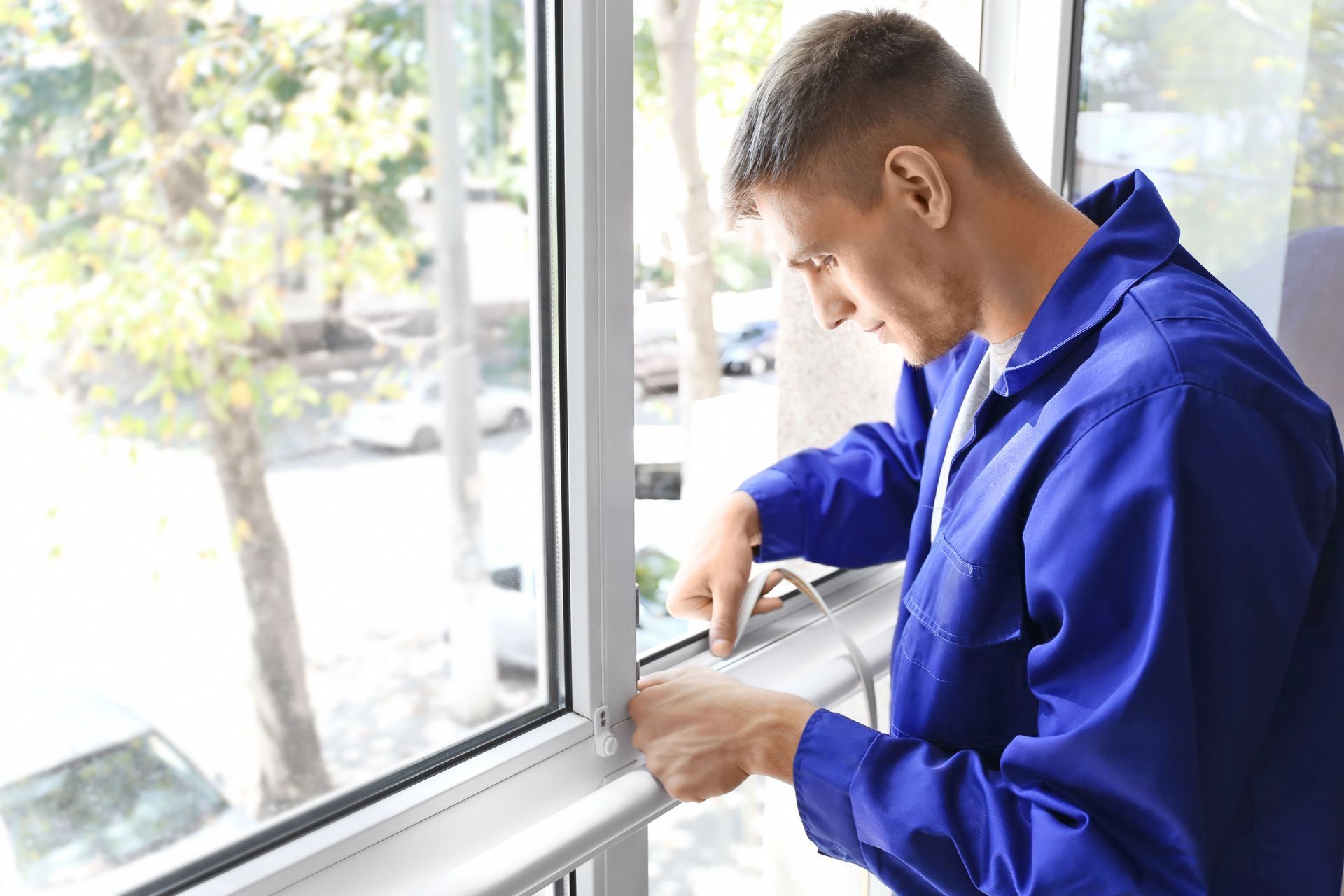
A high-performance roof functions best as part of an integrated, weather-tight exterior envelope. Coordinating energy-efficient roof installations with window replacement and window installation seals air gaps around frames, especially when completed with custom window capping that halts drafts and cuts seasonal heating and cooling expenses. In the same way, premium siding installation services add a continuous insulating layer around exterior walls to eliminate thermal bridging and stabilize indoor temperatures throughout the year. Comprehensive gutter services, gutter guard installation, and ice dam removal ensure that rainwater and melting snow are diverted away from the roofline and foundation, preserving attic insulation and structural integrity from moisture damage.
Proper water management is integral to maintaining energy performance, as saturated building materials lose their insulating value and accelerate thermal loss. Professional gutter cleaning services, gutter repair, and gutter installation protect the entire exterior perimeter by channeling storm runoff smoothly into downspouts and away from sensitive siding transitions. Adding leaf guard installation and gutter protection systems prevents heavy debris blockages, keeping roof edges clear of pooling water during freezing winter storms and torrential summer downpours. By preventing water from backing up beneath shingles, gutter protection systems eliminate ice dam damage, preserve wood decking, and safeguard interior wall insulation from dampness.
Analyzing Economic Drivers and Financial Performance
Conducting a cost-benefit evaluation demonstrates the undeniable financial return generated by modern, energy-conscious building materials. Although high-performance shingles, metal panels, and proper ventilation require a committed initial investment, recurring monthly energy reductions steadily offset upfront costs. According to This Old House's 2025 Roofing Facts & Statistics, the U.S. roofing contractor industry is expected to generate $76.4 billion in revenue during 2025, reflecting continued homeowner investment in new roofs. Modern, energy-efficient roof installations deliver substantial long-term returns by reducing wear on heating and cooling equipment and extending the operational lifespan of the property, providing exceptional financial resilience across years of homeownership.
Persistent increases in residential electricity and heating fuel costs have driven homeowners to seek proactive ways to reduce overall consumption. An energy-efficient exterior envelope acts as a continuous buffer that insulates living spaces against severe seasonal temperature swings without consuming extra power. Modern cool-shingle technology, reflective coatings, and balanced soffit ventilation keep homes naturally temperate, mitigating the impact of high utility bills. Choosing quality roof installations gives property owners greater control over ongoing household operational budgets by neutralizing steep utility rate spikes and limiting unexpected maintenance expenditures.
The shift toward energy-efficient exterior construction represents an essential evolution in modern home improvement. Through the integration of reflective materials, professional roof ventilation, skylight installations, and watertight flashing repairs, today's roof assemblies provide exceptional climate resilience. Investing in high-performance exterior upgrades and advanced roof installations protects both physical assets and household budgets, ensuring lasting comfort, lower utility expenses, and durable performance across every season. For more information, contact Crown Pro Construction LLC.