October 22, 2026
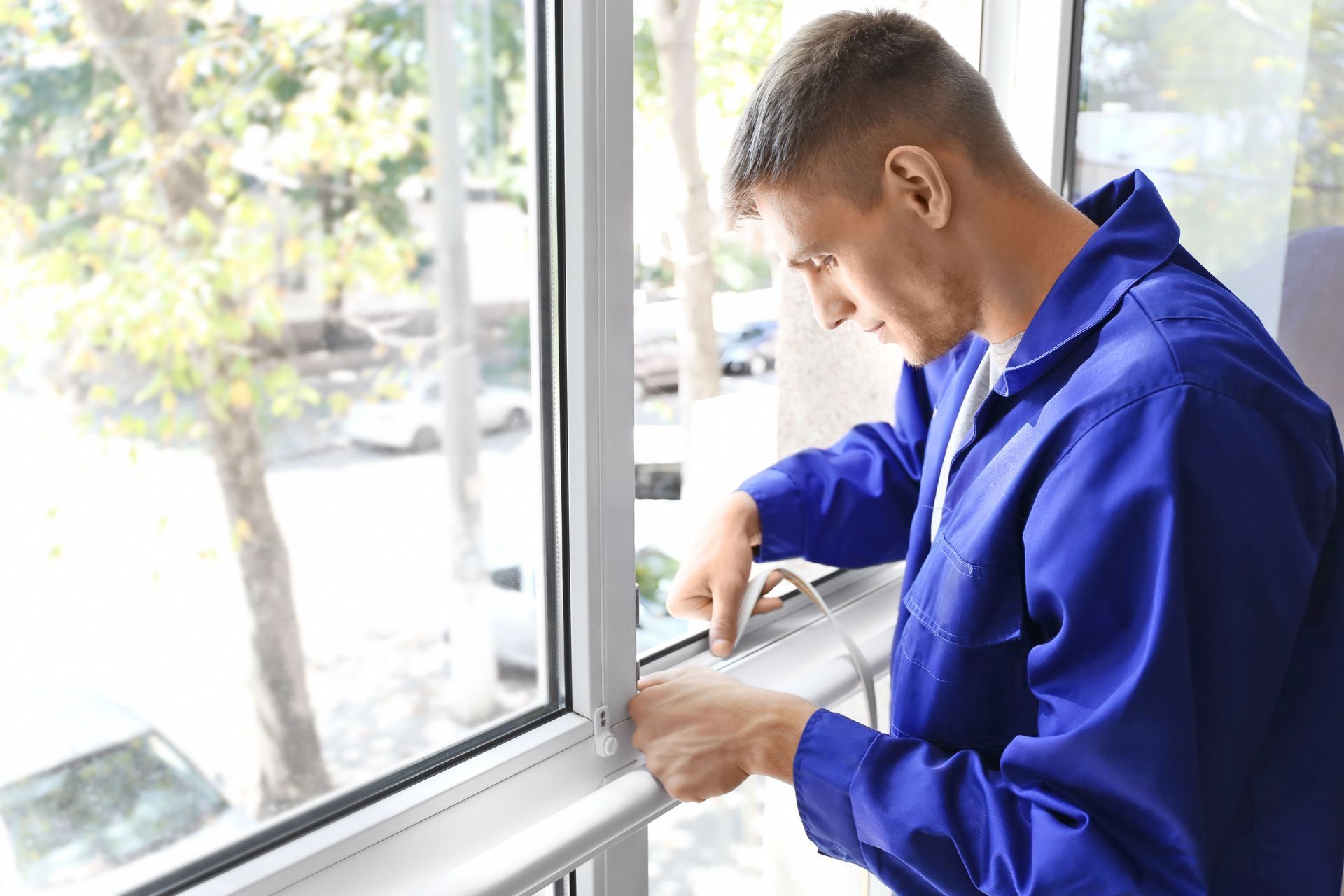
Home energy costs can rise when a house struggles to maintain comfortable indoor temperatures throughout the year. Windows play an important role in regulating indoor conditions because they allow natural light inside while creating a barrier between the home and outdoor temperatures. Older windows, damaged seals, and poorly fitted frames can allow unwanted heat transfer, forcing heating and cooling systems to work harder. Professional window installation helps homeowners address these issues by improving the fit, insulation, and overall performance of their windows. With the right materials and careful workmanship, homeowners can reduce energy waste while making their living spaces more comfortable. Understanding how this upgrade affects energy efficiency can help homeowners make informed decisions about their properties.
Improving Insulation and Temperature Control
Effective insulation helps maintain consistent indoor temperatures regardless of the weather outside. When windows have gaps, damaged seals, or outdated glass, conditioned air can escape while outdoor air enters the home. Professional window installation helps create a tighter fit between the window frame and the surrounding wall, limiting unwanted air movement. Properly fitted windows also support the performance of existing insulation by reducing drafts near window openings. Homeowners may notice fewer cold spots during cooler weather and less heat entering rooms during warmer months. These improvements can make living areas more comfortable without relying as heavily on heating and cooling equipment. Choosing windows designed for the local climate can further improve their ability to manage temperature changes. Crown Pro Construction LLC can help homeowners consider window options that support better insulation and everyday comfort.
Reducing Heating and Cooling Energy Loss
Windows can contribute significantly to household energy waste when they allow heat to move between indoor and outdoor environments. According to the U.S. Department of Energy, approximately 25%–30% of residential heating and cooling energy use is lost through windows, highlighting the potential value of energy-efficient upgrades. Older single-pane windows and poorly sealed frames may provide limited resistance to heat transfer, increasing the demand on HVAC systems. Professional window installation can help address these problems by ensuring that new units fit correctly and perform as intended. Energy-efficient glass, insulated frames, and appropriate sealing materials can help reduce unwanted heat movement. When less conditioned air is wasted, heating and cooling systems may operate more efficiently to maintain the desired temperature. The amount of energy saved depends on the existing windows, replacement products, climate, and installation quality. Selecting suitable materials and ensuring proper fitting can make window improvements a practical part of a broader household energy strategy.
Selecting Energy-Efficient Window Materials
The materials used in replacement windows influence how effectively they control heat transfer and maintain indoor comfort. Energy-efficient window installation begins with choosing products that suit the home's design, exposure to sunlight, and local weather conditions. Double-pane and triple-pane windows use multiple glass layers to help reduce heat movement compared with many older single-pane options. Low-emissivity coatings can also limit certain types of heat transfer while allowing natural light to enter the home. Frame materials matter because some provide better insulation and weather resistance than others. Homeowners should also consider window ratings that indicate performance characteristics such as insulation, solar heat gain, and air leakage. Comparing these features helps property owners choose products that balance energy performance, appearance, and budget. Crown Pro Construction LLC can help homeowners evaluate suitable options before beginning a window improvement project.
Limiting Air Leaks Around Window Frames
Even high-quality windows may perform poorly when air leaks develop around their frames. Small openings can allow outdoor air to enter and conditioned air to escape, making indoor temperatures harder to regulate. Proper window installation addresses the connection between the window unit and the surrounding wall, helping create an effective barrier against drafts. Installers must measure openings carefully to ensure that the selected windows fit the available space. Appropriate insulation and sealing materials help close gaps without interfering with the window's intended operation. Correct fitting also helps prevent moisture from entering vulnerable areas around the frame. Homeowners should pay attention to signs such as noticeable drafts, loose trim, or deteriorating sealant around existing windows. Addressing these issues can improve comfort and help heating and cooling equipment operate under more consistent conditions.
Supporting More Efficient HVAC Performance
Heating and cooling systems consume energy to maintain the temperatures selected by household members. When windows allow excessive heat transfer or air leakage, these systems may need to run longer to compensate for changing indoor conditions. Proper window installation can reduce some of this demand by improving the home's resistance to outdoor temperature fluctuations. More stable indoor temperatures may also reduce frequent thermostat adjustments throughout the day. This does not mean that new windows eliminate the need for regular HVAC maintenance or appropriate temperature settings. Instead, efficient windows can work alongside clean filters, maintained equipment, and adequate insulation to support overall home performance. Homeowners should consider how windows interact with other parts of the building envelope when planning energy improvements. Combining these measures can create a more balanced approach to managing household energy consumption.
Managing Sunlight and Indoor Heat Gain
Natural sunlight can brighten interior spaces, but excessive solar heat gain may make rooms uncomfortable during warmer seasons. Windows facing direct sunlight can allow substantial heat into the home, increasing the workload on air conditioning equipment. Energy-efficient window installation can help homeowners select glass designed to manage solar heat gain according to the property's orientation and climate. Low-emissivity coatings and suitable glazing options may reduce unwanted heat while preserving useful daylight. Exterior shading, curtains, and blinds can provide additional control over sunlight entering specific rooms. Homeowners should also consider how trees, overhangs, and nearby structures affect window exposure throughout the day. Choosing products based on actual sunlight conditions can help avoid unnecessary cooling demands. A balanced approach allows households to enjoy natural light while maintaining more comfortable indoor temperatures.
Preventing Moisture and Maintaining Window Performance
Moisture problems around windows can affect building materials and reduce the effectiveness of the surrounding structure. Poorly installed units may allow rainwater to enter gaps, potentially contributing to damaged trim, deteriorating finishes, or moisture-related concerns. Professional window installation includes attention to fit, flashing, sealing, and drainage details that help direct water away from vulnerable areas. Proper moisture management also helps protect insulation near the window opening from becoming less effective when exposed to water. Homeowners should inspect window frames periodically for peeling paint, soft wood, persistent condensation, or damaged seals. Condensation can have several causes, so identifying the underlying issue is important before choosing a repair. Regular maintenance helps preserve window performance and may reduce the need for premature replacement. Protecting the surrounding structure supports the long-term value of an energy-efficiency upgrade.
Planning Window Upgrades for Long-Term Savings
Planning a window replacement project carefully can help homeowners balance initial costs with potential long-term benefits. Before choosing products, property owners should evaluate existing window conditions, noticeable drafts, indoor temperature differences, and current energy expenses. Professional window installation provides an opportunity to address poor fitting and select products suited to the property's needs. Homeowners can compare product ratings, frame materials, glazing options, and warranty information before making a final decision. It is also useful to prioritize windows that show clear signs of deterioration or contribute to uncomfortable rooms. Energy savings will vary based on climate, household habits, utility rates, and the performance of the original windows. Reviewing these factors can help homeowners set realistic expectations rather than assuming every replacement will produce identical results. A carefully planned project can improve comfort, reduce avoidable energy waste, and support the home's overall condition.
Upgrading outdated windows can be a practical step toward improving indoor comfort and managing household energy costs. Better insulation, reduced air leakage, and appropriate glazing can help limit unnecessary heat transfer throughout the year. Results depend on product selection, installation quality, and the condition of the home's existing structure, so careful planning remains essential. Homeowners should consider window improvements as part of a broader effort that may include insulation upgrades, HVAC maintenance, and weather sealing. Crown Pro Construction LLC can help homeowners explore window solutions suited to their properties and energy-efficiency goals. Contact us to discuss your window project and take the next step toward a more comfortable, energy-conscious home.