July 28, 2026
The purpose of this article is to provide a comprehensive overview of what homeowners can expect when receiving a roofing estimate for roofing services. With numerous variables to consider, understanding the integral parts of a roofing estimate is essential for making informed decisions. By exploring each component of a typical estimate, homeowners can gain clarity and confidence in selecting a roofing contractor. Whether you are replacing an old roof or installing a new one, knowing what to expect can greatly simplify the process. This article aims to demystify the complexities of roofing estimates and empower homeowners with the knowledge they need to make educated choices.
1. Initial Inspection and Evaluation
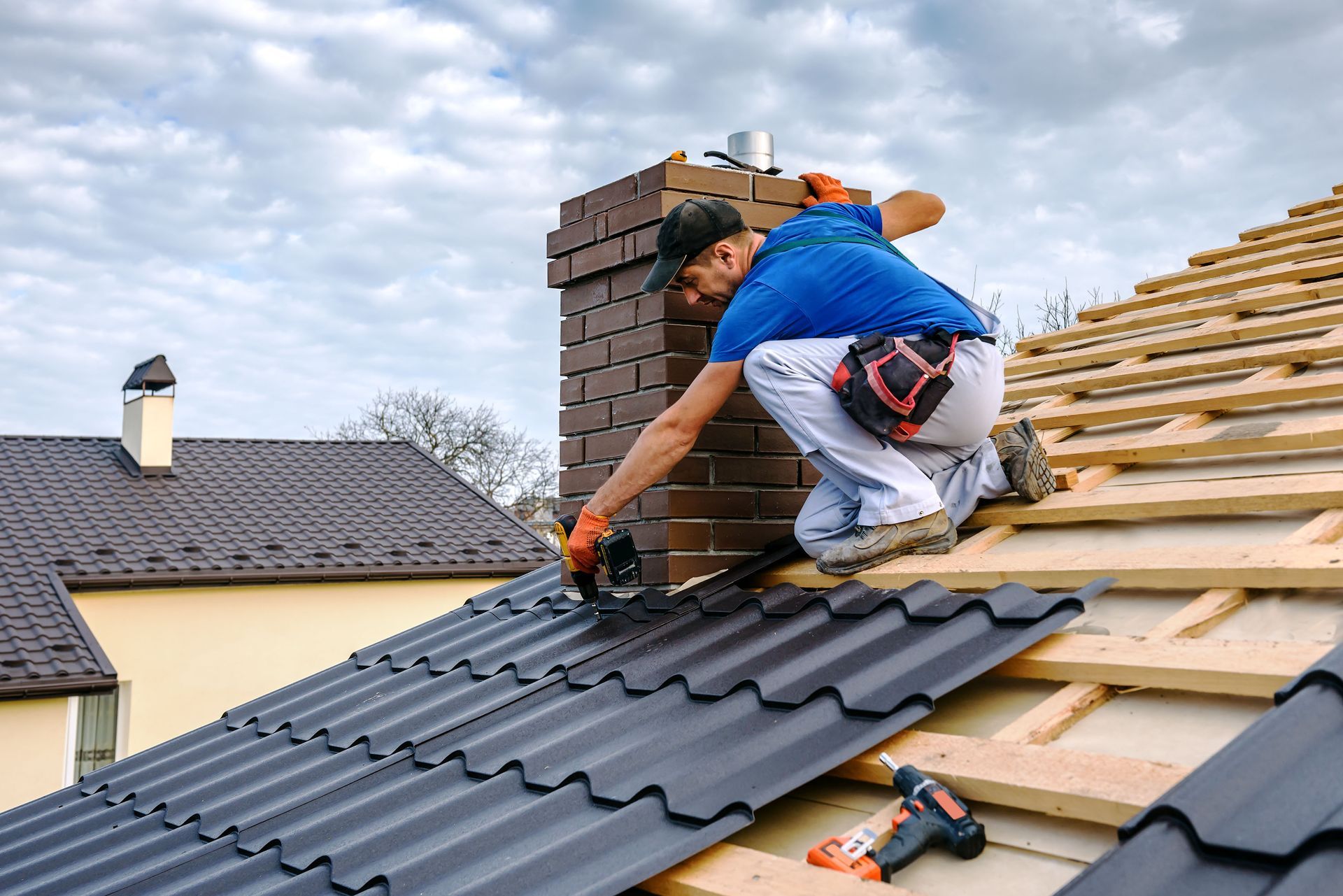
An initial inspection is the starting point of any roofing estimate. During an on-site visit, the roofing contractor will assess the overall condition of the roof. This includes evaluating the shingles, flashing, gutters, and other roofing elements to determine if repairs or replacements are necessary. It allows the contractor to gain an understanding of the existing structure and any visible issues. This comprehensive evaluation sets the foundation for creating an accurate roofing estimate.
Identifying signs of damage is another critical aspect of the inspection process. The contractor will look for issues such as missing shingles, leaks, rot, or mold, which could indicate structural problems. By addressing these issues during the evaluation, the contractor can recommend the most appropriate solutions. It is essential for homeowners to understand that some damages might not be visible to the untrained eye, making professional evaluations indispensable. A thorough inspection ensures that no underlying problem goes unnoticed, potentially preventing costly repairs in the future.
Accurately measuring the roof is crucial for creating an accurate estimate. According to Ruby Home, the typical roof size is 1,700 square feet. Measuring the roof area includes calculating the pitch and determining the amount of material needed for the project. This process not only helps in estimating material costs but also affects labor estimates and the overall timeline. Homeowners must ensure that this step is carried out meticulously to avoid unexpected costs and delays during the project.
2. Materials Breakdown
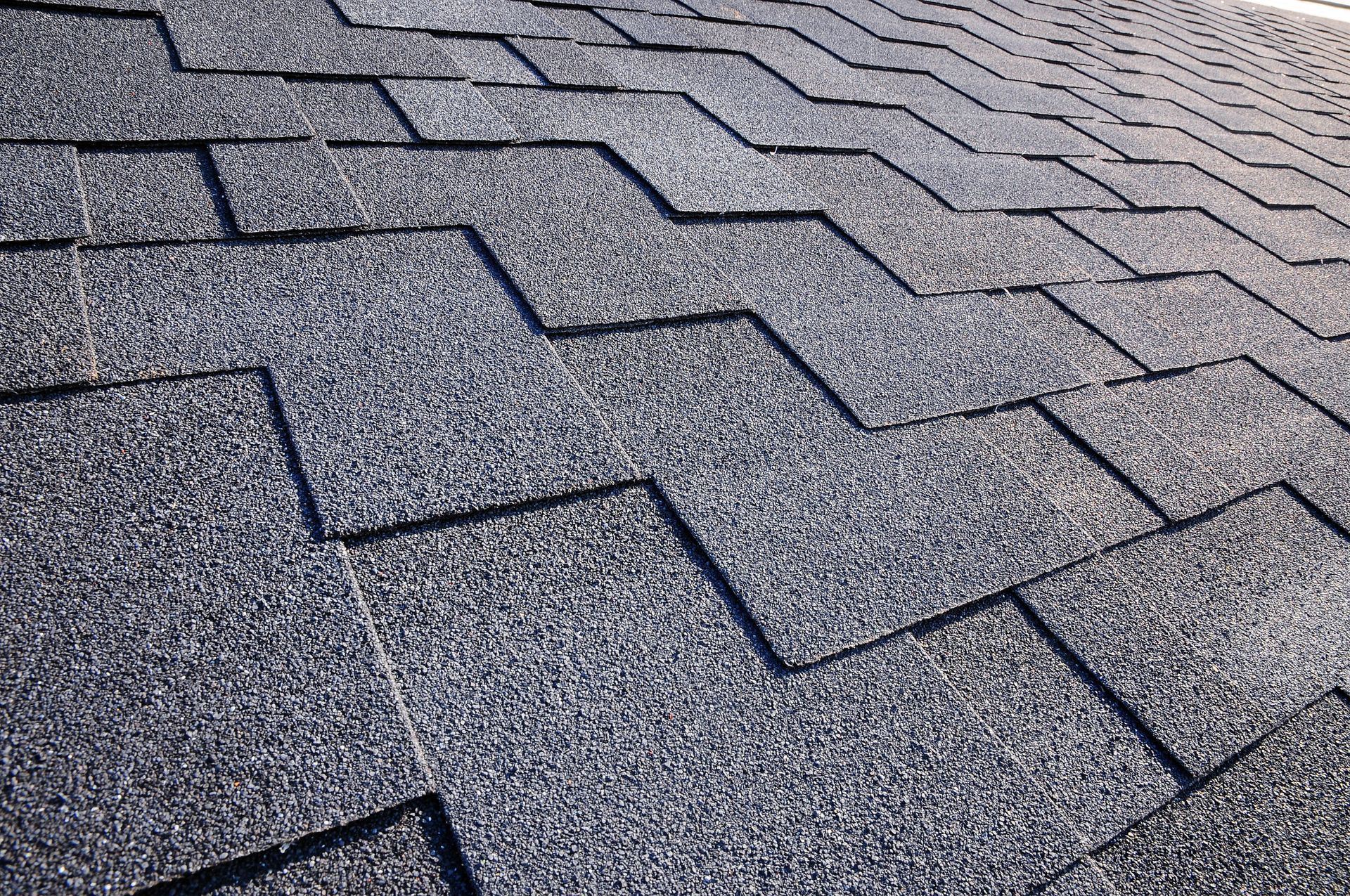
The materials chosen for a roofing project greatly influence the overall cost and durability of the roof. The contractor will present different types of roofing materials such as asphalt shingles, metal, or tiles. Each material has its pros and cons, and the selection depends on factors like budget, aesthetics, and climate conditions. Understanding these options allows homeowners to customize their roofing project to meet specific needs. It’s important for the roofing estimate to detail all potential material options to ensure transparency.
Quality and brand options are significant considerations when selecting roofing materials. Higher quality materials with reputable brands often provide better warranties and longer-lasting protection. However, they might come at a higher cost. The contractor should help homeowners weigh these benefits against their budget constraints. By selecting quality materials, homeowners can ensure their investment stands the test of time, reducing the need for frequent repairs or replacements.
Material quantity calculations are an essential part of the material breakdown in a roofing estimate. This involves estimating the amount of materials needed based on the size and complexity of the roof. Contractors must account for factors such as roof pitch and architectural features. Accurate calculations help in preventing waste, managing costs, and ensuring the project proceeds smoothly. Homeowners should scrutinize this part of the estimate to avoid overcharging or material shortages during the project.
3. Labor Costs
Labor costs are a major component of any roofing estimate. Contractors may charge either an hourly rate or a fixed cost, depending on the project's complexity and duration. An hourly rate can provide flexibility but may lead to increased costs if unforeseen issues arise. Conversely, a fixed cost offers predictability and can protect homeowners from unexpected expenses. Evaluating these options allows homeowners to choose what best aligns with their financial situation and risk tolerance.
The labor force required for a roofing project will vary based on the size and complexity of the job. A typical roof size, like that of 1,700 square feet, may not require a large crew. However, additional workers could expedite the process. Estimating the right number of workers ensures the project is completed efficiently and safely. It's important for homeowners to understand how labor needs contribute to the overall cost and timeline of the project.
Project duration estimates are closely tied to labor costs. Contractors should provide a timeline based on current workloads, the expected weather conditions, and material availability. Knowing how long a project will take is essential for homeowners who need to plan around disruptions. This estimate helps set realistic expectations for both the homeowner and the contractor. Discussing any potential delays or challenges can help in negotiating more accurate project timelines.
4. Additional Services and Extras
Additional services often accompany roofing projects and can significantly impact the overall cost. Roof removal and disposal are common add-ons that might be necessary if the existing roof cannot be repaired. This service includes tearing off old materials and disposing of them responsibly. Not all contractors include these costs in their initial estimate, so homeowners should clarify this upfront. Understanding the full scope of work helps prevent surprise charges during the project.
Gutters and downspouts are critical components that may require installation or replacement during a roofing project. Their main function is to direct water away from the foundation, preventing water damage. Including provisions for gutter work in the estimate is crucial for comprehensive roof integrity. Contractors should outline any additional costs associated with these features and the benefits they provide. By addressing potential gutter-related needs, homeowners can ensure that all aspects of water drainage are properly managed.
Insulation and ventilation are additional extras that help improve energy efficiency and prolong roof lifespan. Proper insulation reduces energy bills by maintaining indoor temperature, whereas effective ventilation prevents moisture accumulation and roof damage. These services can be optional, but they enhance the home's overall performance and comfort. Including them in the estimate can expand the project's scope but result in long-term savings. Homeowners should evaluate their needs and choose services that align with their energy efficiency goals.
5. Warranties and Guarantees
Warranties and guarantees are important aspects of a roofing project, offering peace of mind and protection against defects. There are various types of warranties offered, including material warranties, workmanship guarantees, and roofing system warranties. Understanding the differences and coverage provided helps in evaluating the overall value of the estimate. Material warranties often cover defects or failures, while workmanship guarantees address installation issues. Homeowners should scrutinize these terms to ensure they receive comprehensive post-installation support.
The duration and terms of warranties can vary significantly between contractors and manufacturers. Typically, longer warranties come with higher-quality materials or services. It's essential for homeowners to compare warranty offerings as part of their decision-making process. A longer warranty period often indicates the manufacturer's confidence in their product's durability and longevity. Discussing the terms upfront ensures that homeowners fully understand the coverage they are receiving and any maintenance requirements needed to maintain it.
Coverage on materials and workmanship is a vital part of understanding warranties. Some warranties might only cover materials, leaving homeowners responsible for repair labor costs. A comprehensive warranty should cover both product failures and installation errors. The difference between manufacturer versus installer warranties can also affect how claims are handled. Educating oneself on these nuances allows homeowners to better negotiate their roofing contract and avoid costly repairs in the future.
Understanding a typical roofing estimate is crucial for homeowners to make informed decisions and ensure a smooth roofing project process. By breaking down each element of the estimate and addressing potential concerns, homeowners can better assess the value and reliability of the services offered by roofing contractors. From initial inspection to payment terms, a detailed look into these aspects can save significant time and money. Educated choices result in greater satisfaction with the final roofing project, ensuring it meets the homeowner's expectations and needs. Ultimately, a well-understood estimate is the key to a successful and financially sound roofing investment. Reach out to Crown Pro Construction LLC today to see how we can help you!