September 11, 2026
The residential roofing market features an array of material innovations, ranging from solar-integrated tiles to advanced metal alloy panels. Yet, despite this influx of alternative options, traditional asphalt shingles maintain an unshakeable, dominant hold on the sector. For corporate roofing operations and independent contractors alike, this single product category serves as the primary financial driver for seasonal growth and consistent business volume.
This article explores the multi-layered reasons why asphalt shingles continue to capture the vast majority of residential roof installation revenue. By analyzing their upfront cost-effectiveness, aesthetic versatility, technical durability, and emerging eco-friendly manufacturing profiles, we can better understand their lasting market position. This deep market dominance shapes the modern supply chain, dictating product manufacturing priorities and on-site contractor training programs across the country.
Cost-Effectiveness and Labor Efficiency
The most prominent factor driving asphalt shingle sales volume is its deep cost-effectiveness, which benefits both residential property owners and installation crews. The raw material fabrication costs for composite asphalt shingles are significantly lower than those associated with metal panels, standing-seam systems, slate, or concrete clay tiles. This structural affordability allows homeowners to secure a dependable, weather-resistant building envelope without draining their liquid capital reserves or taking on high-interest financing.
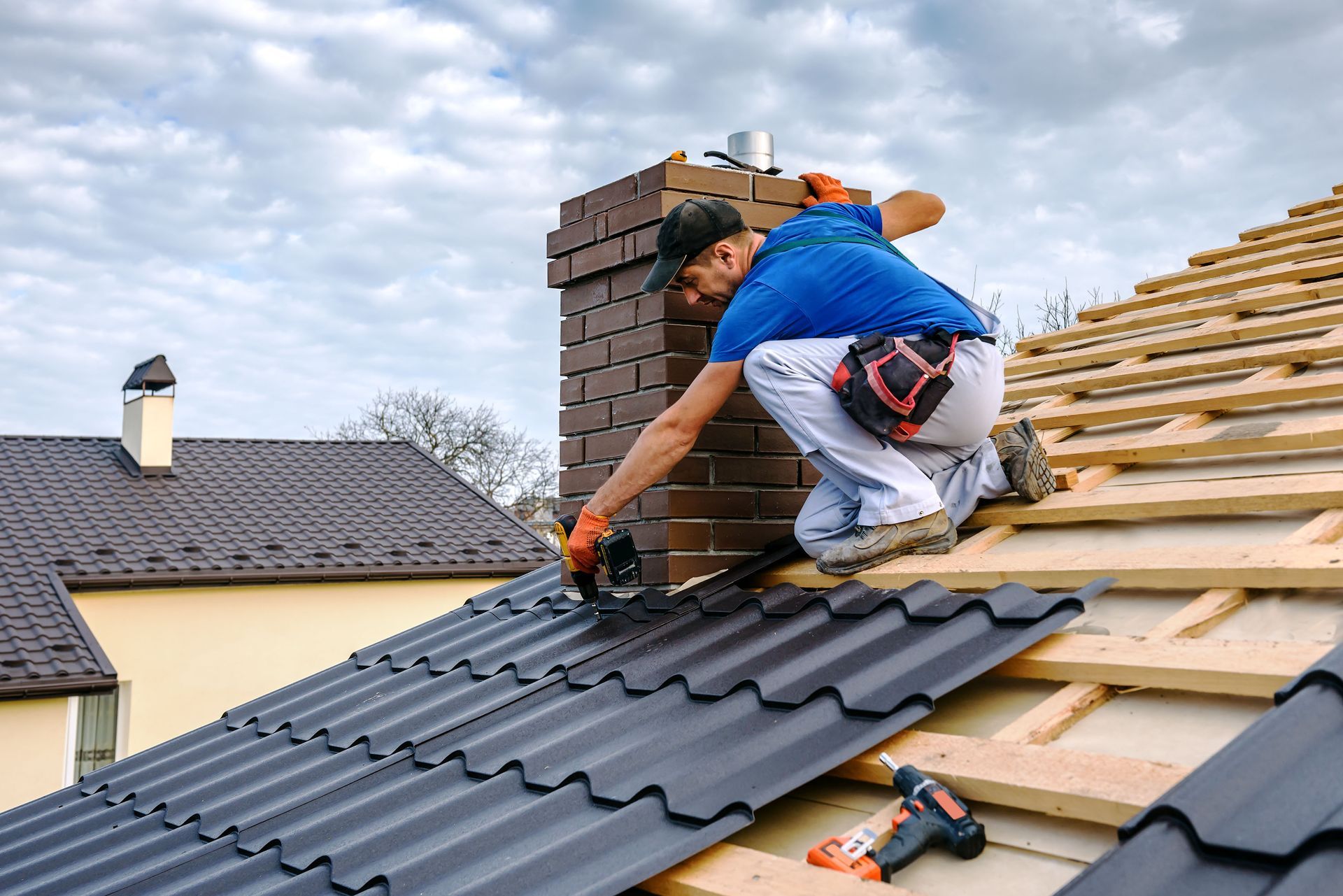
Furthermore, the physical composition of asphalt shingles allows for rapid, highly repeatable field labor during a standard roof installation. Because the individual shingles are lightweight and easy to cut, a skilled crew can complete an entire tear-off and replacement project within one to two business days. This extreme installation speed reduces manual labor hours per square, lowering the total contract price for consumers while maximizing weekly job capacity for local contractors.
The financial reality of this material reliance is well-documented within corporate market data. According to This Old House, a 2023 report found that 83% of roofing contractors identified asphalt shingles as their main source of revenue. This striking industry benchmark highlights how crucial shingle sales are to maintaining business solvency and funding operational growth.
Aesthetic Versatility and Architectural Compatibility
Modern architectural styles demand a high degree of visual flexibility, and asphalt shingles excel at adapting to diverse property profiles. Manufacturers utilize advanced ceramic granule coloring processes to produce shingles in an extensive palette of earth tones, deep charcoals, forest greens, and multi-toned blends. This broad color range allows property owners to select a roof that highlights their home's siding, masonry, and surrounding landscape.
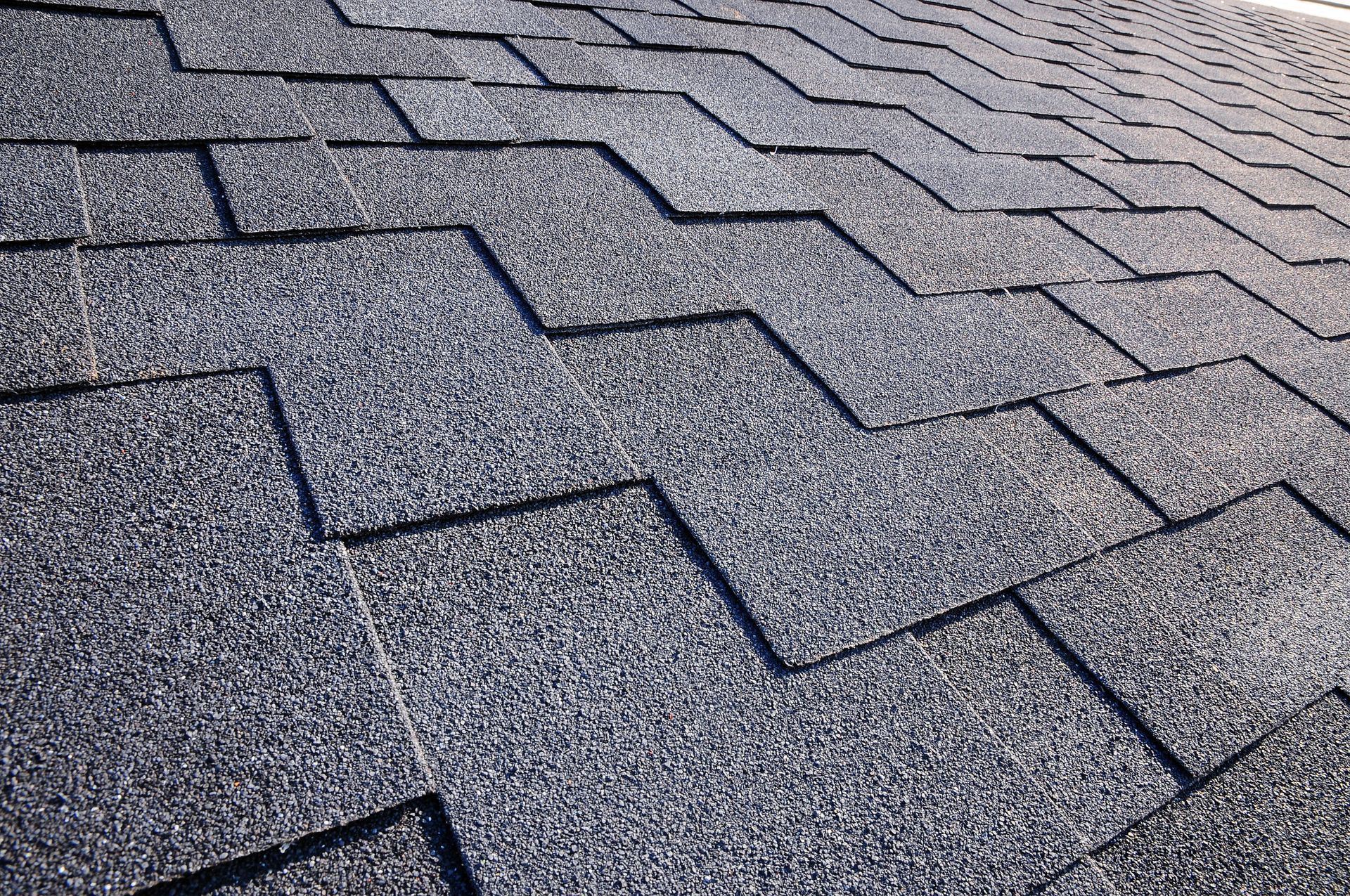
Beyond simple color choice, the evolution of dimensional and architectural shingle designs has fundamentally altered the visual impact of asphalt roofing. Multi-layered architectural shingles feature varying tab shapes and shadow lines that closely mimic the luxurious texture and weight of genuine slate slabs or rustic wood shakes.
This structural depth gives homeowners access to high-end architectural styles at a fraction of the cost of premium materials. This aesthetic flexibility makes asphalt a universally compatible choice across countless neighborhoods, historical districts, and modern master-planned communities.
Structural Durability and Longevity Expectations
To remain a viable product category, a residential roof must withstand relentless environmental exposure, including high winds, torrential rain, and intense ultraviolet radiation. Contemporary asphalt shingles are engineered with a durable internal fiberglass mat core enveloped in a waterproofing layer of distilled bitumen asphalt. This flexible core prevents the shingle from snapping or lifting during severe seasonal windstorms, ensuring a highly secure building seal.
The expected lifespan of a modern roof installation varies based on the specific shingle classification selected. While entry-level three-tab variations provide a reliable 15 to 20-year service life, heavy-gauge architectural and designer shingles routinely exceed 30 years of continuous service when paired with adequate attic ventilation systems.
Furthermore, modern shingle blends incorporate specialized copper-infused granules that inhibit the growth of unsightly black algae and blue-green mold. This biochemical resistance preserves the pristine appearance of the structure, ensuring long-term curb appeal and stabilizing neighborhood property values over decades of use.
Advancements in Residential Energy Efficiency
As energy costs continue to rise, modern homeowners place a significant premium on building materials that lower household utility consumption. In response, asphalt manufacturers have engineered specialized "cool roof" shingle options that integrate solar-reflective granules. These specialized coatings reflect a massive percentage of raw solar radiation back into the atmosphere rather than absorbing it into the underlying attic plenum space.
By minimizing structural heat transfer, these energy-efficient shingle profiles drastically lower the operational burden placed on central air conditioning units during intense summer heatwaves. This thermal management reduces peak-demand energy expenditures for homeowners while lowering the building's overall carbon footprint. Additionally, integrating energy-efficient asphalt options often qualifies the property for municipal rebates, tax credits, or green building credentials, increasing the long-term financial return of a complete roof installation.
Consistent Market Demographics and Revenue Trends
Historical sales statistics and forward-looking economic forecasting confirm that asphalt shingles maintain a dominant market share within the residential building sector. Across North America, over 80% of all single-family residential roof installation projects utilize asphalt shingles, representing an incredibly stable source of recurring manufacturing and field installation revenue. This market dominance is reinforced by the deep pool of certified labor; virtually every residential roofing crew possesses extensive, specialized experience handling asphalt materials.
As the existing housing stock ages, the demand for timely roof replacements remains strong, unbothered by temporary economic shifts. Property owners looking to upgrade their assets consistently favor the familiar reliability and proven safety profile of asphalt systems. This continuous consumer demand provides massive economic stability for material distributors and installation contractors alike, securing asphalt's position at the top of the revenue ladder.
Environmental Considerations and Recyclability
As corporate and municipal waste management policies grow increasingly strict, the roofing industry continues to make major strides in refining the sustainability lifecycle of asphalt shingles. Historically criticized for contributing to municipal landfill waste, modern post-consumer shingles are now actively reclaimed through dedicated recycling networks. Discarded asphalt shingles are systematically milled down and diverted into regional infrastructure projects, where they are blended into commercial paving mixtures to create durable roadways and paths.
Simultaneously, manufacturing plants are rapidly optimizing their production lines to reduce factory emissions and conserve raw materials. By reducing industrial energy consumption and sourcing recycled materials for their internal backing matrices, shingle producers are effectively lowering the total embodied carbon of a modern roof installation. This focus on environmental responsibility ensures that asphalt shingles remain highly competitive as consumer preferences move toward green building practices.
The lasting dominance of asphalt shingles within the residential construction market is the direct result of an optimized balance between initial affordability, architectural versatility, and proven structural resilience. By delivering a product that minimizes labor costs for contractors while providing homeowners with up to 30 years of secure, weather-resistant protection, the asphalt sector remains an irreplaceable pillar of corporate roofing revenue. As manufacturing technologies continue to improve energy efficiency and material recycling loops, this flexible product will continue to anchor the roof installation market for generations to come.
When protecting your primary residence from severe weather events, relying on uncertified, unbonded, or uninsured crews can easily result in catastrophic leaks, voided manufacturer warranties, and premature structural failure. True architectural longevity requires flawless underlayment integration, precision mechanical fastening, and master-level deck preparation. To transform your upcoming property renovation into an enduring, code-compliant asset that delivers maximum weather protection, entrust your next roof installation to the certified craftsmanship and proven expertise of Crown Pro Construction LLC.