March 12, 2026
Installing a new roof is one of the most important upgrades a homeowner can make. Your roof protects your home from weather damage, improves energy efficiency, and contributes significantly to your property’s value and curb appeal. Because of its importance, replacing a roof is not a project that should be approached without preparation.
Many homeowners begin planning a roofing project without fully understanding the steps involved. Learning what to expect ahead of time can help you make better decisions, avoid costly mistakes, and ensure the project runs smoothly from start to finish. If you are considering a roof installation, understanding the key factors involved will help you protect your investment and achieve long-lasting results. Below are eight essential things every homeowner should know before beginning the process.
1. Assess the Condition of the Existing Roof
Before committing to a new roof, the first step is understanding the condition of your current one. A professional inspection can determine whether a complete replacement is necessary or if repairs could extend the roof’s life for several more years.
During an inspection, roofing professionals evaluate the condition of shingles, flashing, underlayment, and the roof deck. They also check for water damage, mold growth, ventilation issues, and structural weaknesses that may not be visible from the outside. Sometimes leaks or missing shingles are only symptoms of larger problems within the roofing system. Knowing the true condition of your roof allows you to make informed decisions and prepare properly for a roof installation if it becomes necessary.
2. Select the Most Suitable Roofing Materials
Choosing roofing materials is one of the most significant decisions homeowners face during the planning stage. The material you select will affect the appearance of your home, the durability of the roof, and the overall cost of the project.
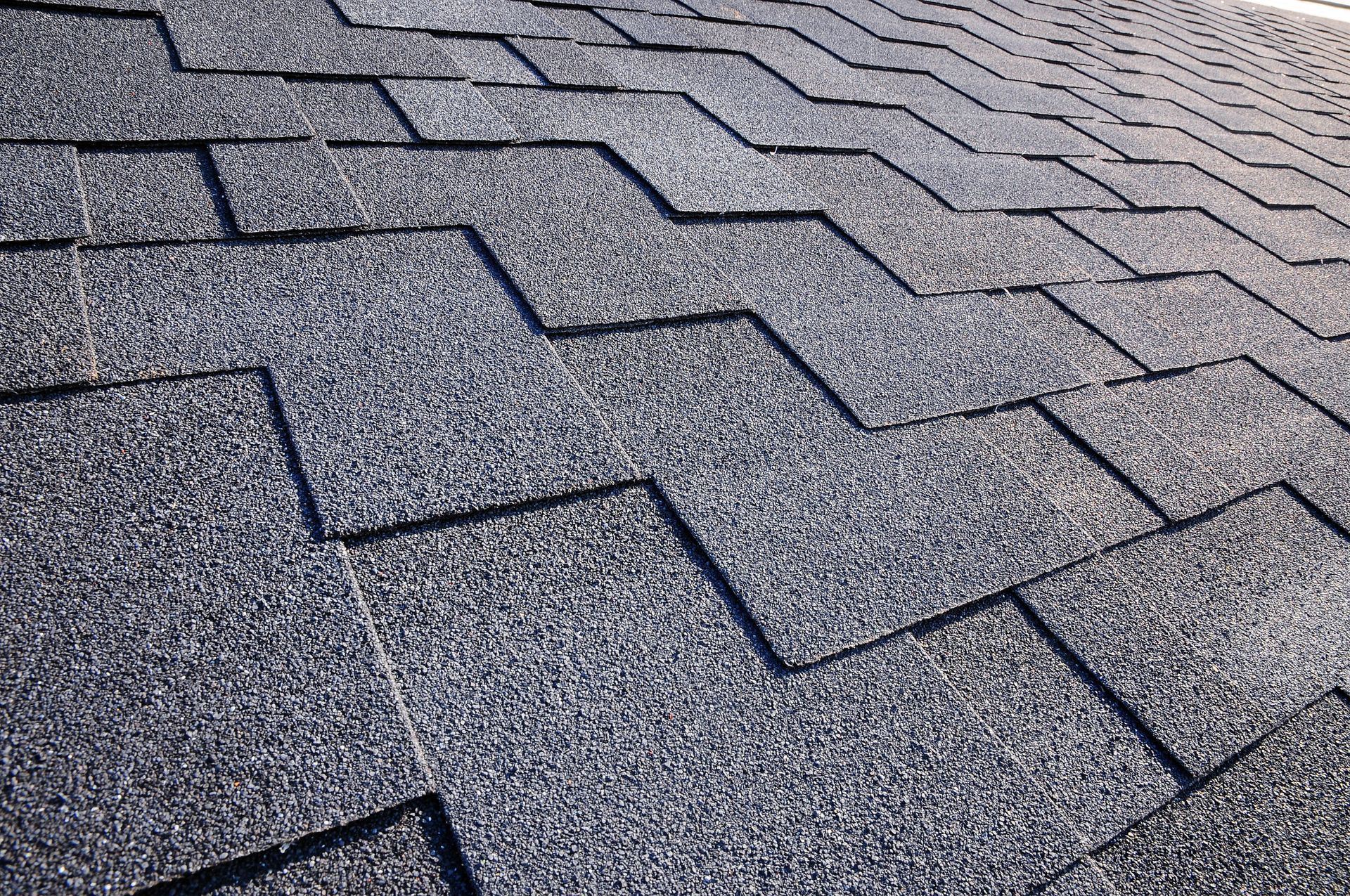
Asphalt shingles remain the most common roofing material in residential construction due to their affordability and reliability. In fact, according to This Old House, a 2023 report found that 83% of roofing contractors identified asphalt shingles as their main source of revenue. This popularity comes from their versatility, ease of installation, and wide range of colors and styles.
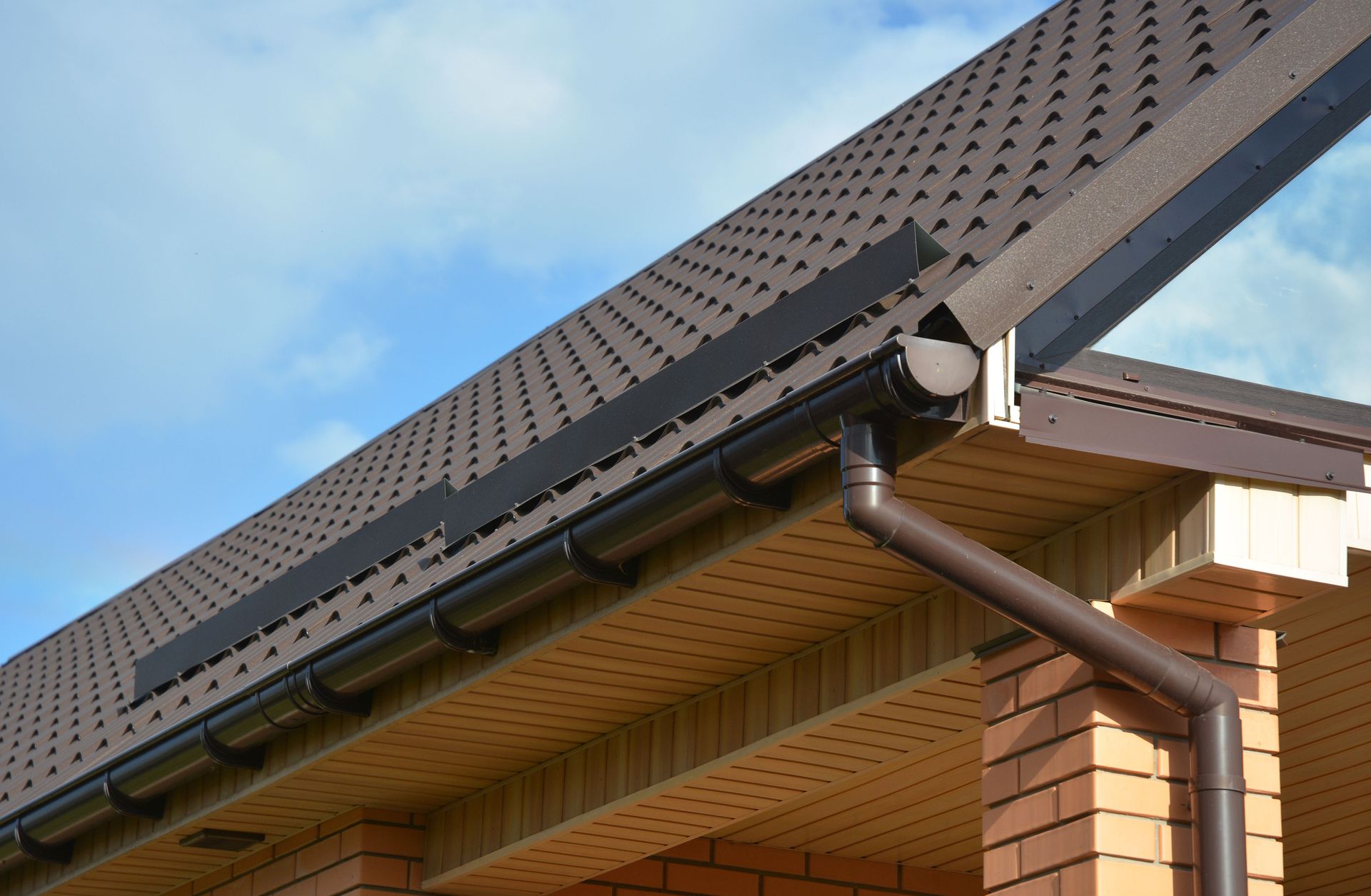
Other materials, such as metal, clay tiles, wood shakes, and slate, offer different advantages depending on the home’s design and the local climate. Each option comes with varying levels of durability, maintenance requirements, and price points. Understanding these differences will help ensure that your roof installation meets both your aesthetic preferences and long-term performance expectations.
3. Establish a Realistic Project Budget
Roofing projects vary widely in price depending on the size of the roof, the materials selected, and the complexity of the structure. Homeowners often focus on the initial cost, but it is important to consider the long-term value of the investment as well.
A detailed estimate from a contractor should outline the full scope of work, including labor, materials, disposal of the old roof, and any structural repairs that might be necessary. In some cases, hidden damage beneath the old roofing materials can increase costs once work begins. Setting a realistic budget helps prevent delays and financial stress once the project is underway. By planning, homeowners can ensure that the roof installation stays within their financial expectations while still meeting quality standards.
4. Prepare the Property Before Work Begins
Roofing projects can temporarily disrupt daily routines, especially when crews are working overhead for several days. Preparing your home and property in advance can help reduce inconvenience and protect personal belongings.
The installation process often causes vibrations throughout the house. These vibrations may affect items hanging on walls or stored on shelves. Homeowners should consider removing fragile decorations and securing valuable items before work begins. The attic is another area that deserves attention. Dust and small debris can occasionally enter during the project, so covering stored belongings can help prevent damage. Preparing your property in advance helps ensure the roof installation proceeds safely and efficiently.
5. Understand the Timeline of the Project
Many homeowners are surprised by how quickly roofing projects can move once they begin. In most cases, residential roofs can be replaced in just a few days, though the exact timeline depends on several factors. Weather conditions are one of the most common causes of delays. Rain, strong winds, or extreme temperatures can temporarily pause work to maintain safety and installation quality. The complexity of the roof design, including steep slopes, multiple valleys, or chimneys, can also extend the timeline.
Understanding the general process — from removing old materials to installing new protective layers and shingles — helps homeowners know what to expect. When planning a roof installation, clear communication with your contractor about scheduling and progress is essential.
6. Choose a Qualified Roofing Contractor
Hiring the right contractor is one of the most critical steps in ensuring a successful roofing project. An experienced professional will have the training, equipment, and knowledge required to complete the job correctly.
Homeowners should look for contractors who are properly licensed, insured, and experienced in residential roofing projects. Reading reviews, asking for references, and reviewing past work can provide valuable insight into a company’s reputation and reliability. A reliable contractor will also provide a written agreement outlining the scope of work, project timeline, payment schedule, and warranty details. This transparency helps protect homeowners and ensures the roof installation is completed according to agreed-upon standards.
7. Review Warranties and Protection Coverage
Because roofing is a major investment, understanding the available warranties is extremely important. Roofing warranties typically fall into two categories: material warranties and workmanship warranties. Material warranties are provided by manufacturers and cover defects in the roofing products themselves. Workmanship warranties are offered by contractors and protect homeowners against installation errors.
In addition to warranties, verifying insurance coverage is equally important. Contractors should carry both liability insurance and workers’ compensation coverage. These policies protect homeowners from potential financial responsibility if accidents occur during the roof installation process. Taking time to review these protections ensures peace of mind long after the project is completed.
8. Maintain the Roof After Installation
A new roof can last for decades, but its lifespan depends heavily on regular maintenance. Even the highest quality materials can deteriorate prematurely without proper care. Routine inspections help identify small issues before they become major problems. Checking for damaged shingles, clearing debris, and maintaining clean gutters all contribute to the overall health of the roofing system. Professional inspections every few years can also detect early signs of wear that homeowners might miss. Proper care ensures that the investment made during the roof installation continues to provide reliable protection for many years.
Choosing a local contractor also means working with professionals who understand regional weather patterns, building codes, and the roofing materials that perform best in your area. Local companies are invested in their communities and rely on their reputation for continued success, which often results in higher standards of service and workmanship. By partnering with a dependable team, homeowners can move forward with confidence knowing their roofing project is in capable hands.
Planning a roofing project can feel overwhelming, but working with experienced professionals can make the process far easier. If you are preparing for roof installation, the skilled team at Crown Pro Construction LLC is ready to help. Contact Crown Pro Construction LLC today to schedule a consultation and learn how our expertise can deliver a durable, high-quality roof that protects your home for years to come.